The Quiet Power of a Decorative Ceramic Bowl in Scandinavian
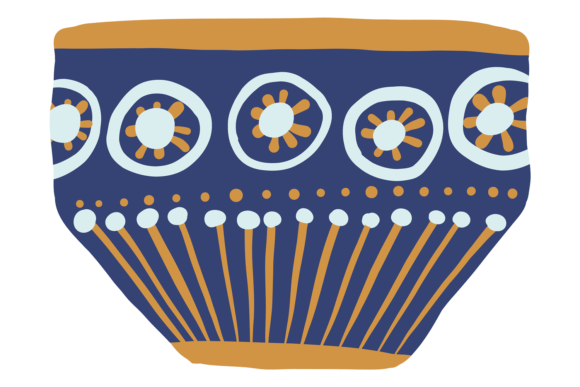
Sometimes, the most profound design statements are the quietest. A single, perfectly formed object can anchor a room, tell a story, and evoke a specific mood without saying a word. This is the essence of the decorative ceramic bowl in Scandinavian style. It’s more than just a dish; it’s a piece of functional art that embodies a philosophy of living. Isolated on a clean white background, its true character shines—every gentle curve, every matte glaze, every subtle imperfection becomes a deliberate part of its appeal. For designers and creators, this object isn't just inspiration; it's a masterclass in restraint, balance, and authentic beauty.
Understanding the Scandinavian Aesthetic in Everyday Objects
At its core, Scandinavian design is a celebration of simplicity, functionality, and a deep connection to nature. It’s a style that strips away the unnecessary to focus on clean lines, organic forms, and high-quality materials. A decorative ceramic bowl in Scandinavian style is a perfect ambassador for this ethos. You won’t find loud patterns or ornate gilding here. Instead, the beauty lies in the material itself—the smooth, cool feel of the ceramic, the subtle texture of a hand-thrown surface, or the soft, matte finish that absorbs light rather than reflecting it. The personality of such a piece is calm, honest, and understated. It feels both timeless and contemporary, able to sit comfortably in a modern minimalist apartment or a cozy, rustic farmhouse.
This visual language translates directly into a powerful tool for visual communication. Think of it as a premium font for your physical or digital space. Just as a well-chosen typeface sets the tone for a brand, a carefully selected bowl sets the tone for a scene. Its appeal isn't in shouting for attention but in earning it through quiet confidence and impeccable form. This makes it an incredibly versatile asset for anyone working in creative fields.
From Product Shots to Brand Stories: Real-World Applications
For photographers, marketers, and content creators, the decorative ceramic bowl in Scandinavian is a hero prop. Its neutral palette and simple form make it the ideal companion for product photography, especially for food, jewelry, or small artisan goods. It provides context without competition, allowing the subject to take center stage. In packaging design, the bowl’s silhouette or texture can inspire patterns, label layouts, or even the unboxing experience itself, conveying a sense of crafted quality and mindful living.
In the realm of brand identity and logo design, its influence is more abstract but equally potent. The bowl’s principles—balance, organic shape, and muted elegance—can inform a brand’s entire visual system. A logo might not look like a bowl, but it can embody the same sense of grounded sophistication. Pair a clean sans serif font with a textured, earthy color palette inspired by ceramic glazes, and you’ve begun to build a brand world that feels authentic and thoughtful. This approach is invaluable for businesses in wellness, home goods, artisanal food, or sustainable fashion, where conveying authenticity is key.
Integrating the Philosophy into Your Design Toolkit
How do you, as a designer or business owner, harness this aesthetic? It starts with intentionality. When selecting design assets for a project, ask yourself if they serve a purpose beyond mere decoration. Does the image or texture add to the story, or is it just filling space? A project inspired by the decorative ceramic bowl in Scandinavian style might use a limited color scheme, prioritize whitespace (or "negative space") in layouts, and choose typography that is legible and elegant over purely decorative.
This philosophy directly impacts practical outcomes like readability and visual hierarchy. A layout that embraces Scandinavian clarity will use ample spacing, consistent alignment, and a clear typographic scale to guide the reader’s eye effortlessly. It fosters a sense of professionalism and trust, as the design feels considered and uncluttered. For web design or editorial design, this means a more pleasant user experience. For social media graphics, it means content that feels cohesive and calming in a crowded feed, boosting brand recognition.
When choosing a creative font to pair with this aesthetic, look for serif fonts with moderate contrast and elegant details, or sans serif fonts with humanist proportions. A carefully chosen script font or handwritten font could work for a small accent, but it must be exceptionally refined to avoid clashing with the minimalist vibe. Always test your font pairing in context. Does the headline font support the quiet confidence of the body copy? Does the overall typographic system feel balanced, much like the bowl itself?
A Practical Checklist for Your Next Project
- Evaluate Fit: Is your project’s goal to convey calm, quality, and authenticity? If it’s about high-energy excitement or maximalist celebration, this may not be the right direction.
- Source with Care: Whether you're using photography, textures, or modern typography, choose assets that feel cohesive. A single, high-quality image of a decorative ceramic bowl in Scandinavian style is worth more than ten mediocre, stylistically conflicting ones.
- Test Relentlessly: Apply your chosen fonts and assets to a small section of your design. View it on different screens and in print if possible. Does it maintain its clarity and elegance at all sizes?
- Consider the License: For any commercial font or stock asset you use, ensure the license covers your intended use, whether for a client’s logo, a product line, or digital advertising.
Ultimately, the decorative ceramic bowl in Scandinavian style teaches us that great design is often about thoughtful reduction. It’s about choosing one beautiful thing and giving it space to be appreciated. By applying this principle to your work—whether in crafting a brand identity, designing a packaging suite, or curating a visual feed—you create work that resonates on a deeper level. It moves beyond mere decoration to become a meaningful part of how people experience a brand or a story, fostering engagement through authenticity and quiet, enduring style.