Pink Rose Branch: Decorative Flowers for Elegant Design
When you're looking for a typeface that does more than just spell out words, you're often searching for a specific mood. For projects that require a touch of organic elegance, floral charm, and a distinctly feminine sensibility, a creative font like Pink Rose Branch: Decorative Flowers offers a compelling solution. This isn't your standard sans serif or a simple script; it's a display font where the letterforms themselves are intertwined with the delicate beauty of blooming roses, budding flowers, and verdant leaves. It’s a design asset that brings a whole personality to your work before a single sentence is even read.
Understanding the Visual Appeal
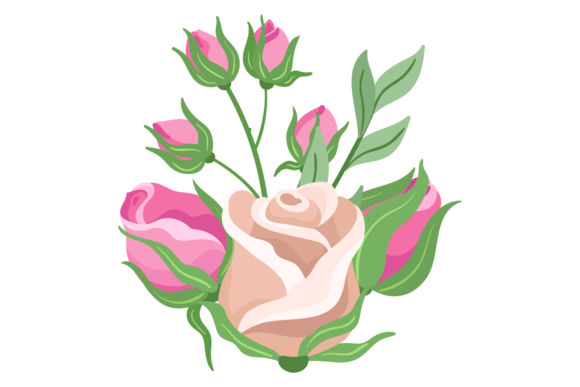
At its core, the Pink Rose Branch typeface is a masterclass in decorative typography. Each character is meticulously crafted, featuring pink rose branches that weave through the stems and curves of the letters. The buds and fully bloomed flowers add a layered, three-dimensional quality, while the green leaves provide a natural, contrasting frame. This intricate detailing means it functions as a premium font and a piece of art simultaneously. The overall style is romantic, sophisticated, and slightly whimsical, making it a perfect choice for projects in the wedding, beauty, floral, and luxury lifestyle spaces. Its personality is graceful and inviting, instantly communicating care, quality, and an appreciation for beauty.
This display font is designed to be a showstopper. Its high level of ornamentation means it's not suited for body text, but that’s by design. Its strength lies in its ability to capture attention and set a specific tone in headlines, logos, and featured graphics. Think of it as the floral centerpiece of your design—the element that draws the eye and establishes the entire aesthetic.
Where This Floral Font Truly Blooms
The practical applications for a creative font like this are surprisingly extensive, spanning both digital and print media. Its versatility as a design asset makes it valuable for a wide range of professionals and hobbyists.
In brand identity and logo design, it’s a natural fit for businesses wanting to project an image of natural luxury. Imagine it for a high-end florist, a boutique skincare brand using botanical ingredients, a wedding planning service, or a charming bed and breakfast. The font immediately tells a story of elegance and organic beauty. For packaging design, it can elevate the look of artisanal goods, cosmetics, or specialty foods, creating a shelf presence that feels both premium and personal.
For editorial design and publishing, Pink Rose Branch shines in magazine headlines, book covers (especially for romance novels or poetry collections), and chapter titles. It adds a layer of visual interest that standard serif or sans serif fonts can't match. In the digital realm, it’s a powerful tool for creating stunning social media graphics. Think of eye-catching quotes, promotional banners for a spring sale, or elegant story templates for Instagram. It can also be used sparingly in web design for hero section headlines or special call-to-action elements on a site dedicated to weddings, gardening, or lifestyle coaching.
Beyond commercial use, it’s a fantastic resource for personal projects. Crafters can use it to create beautiful invitations, personalized stationery, or unique art prints. Its detailed nature makes it a joy for hobbyists working on scrapbooking or digital art.
Practical Guidance for Designers and Creators
Integrating a specialized font like this into your workflow requires a thoughtful approach. Here’s how to make the most of it.
Evaluating Fit and Readability
The first step is always to evaluate if the font’s personality aligns with your project’s goals. Ask yourself: does the romantic, floral style support my message? A tech startup might not be the best fit, but a bridal magazine is perfect. Readability is paramount. Because of its intricate details, test the font at the intended size. It’s often best used for short, impactful text like headlines or logos. For longer titles, consider using it for the primary word and pairing it with a simpler font for the rest.
Mastering Font Pairing
A great font pairing is essential. To create visual hierarchy and ensure your overall design is balanced, pair this ornate display font with a clean, neutral typeface. A classic sans serif font like Montserrat or Lato provides a modern, clean contrast that lets the floral details of Pink Rose Branch stand out without competition. Alternatively, a simple, elegant serif font like Playfair Display or Lora can complement its sophisticated feel. Avoid pairing it with another highly decorative or script font, as this will create visual clutter and harm readability.
Checking File Formats and Licensing
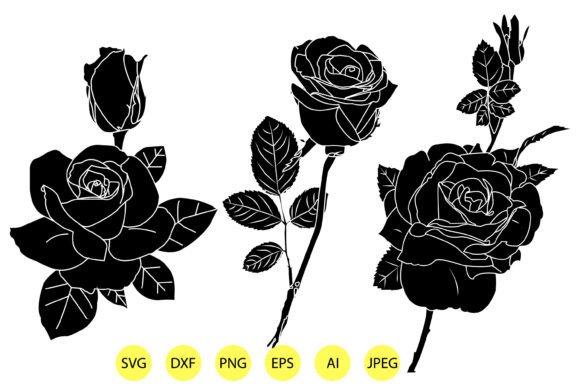
When you acquire this commercial font, you’ll typically receive it in multiple formats. EPS and SVG files are excellent for scaling without loss of quality, perfect for large prints or detailed editing in vector software. JPGs are standard for web use, but for maximum flexibility in layering, a transparent PNG is invaluable, especially for placing the text over photographs or complex backgrounds in your marketing materials. Always review the licensing agreement. Understand if it’s licensed for personal use, commercial projects, or both. This ensures your use is compliant, especially for client work or products for sale.
Ultimately, Pink Rose Branch: Decorative Flowers is more than just a font; it’s a statement. It’s a tool for designers, marketers, and creators who want to infuse their projects with a specific, beautiful aesthetic. By understanding its strengths, testing its applications, and pairing it wisely, you can leverage this typeface to build stronger brand perception, create more engaging content, and produce work that resonates deeply with an audience that appreciates beauty in the details.