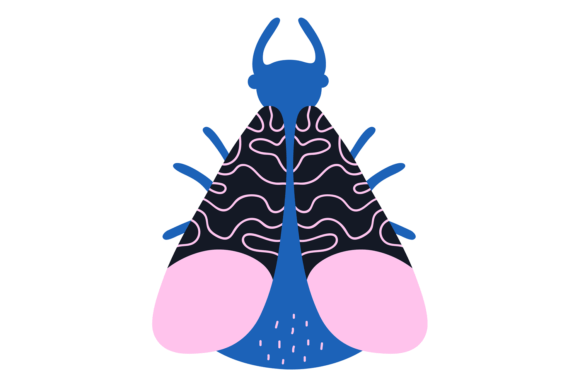
Decorative Fly: A Folk Art Typeface with Wings
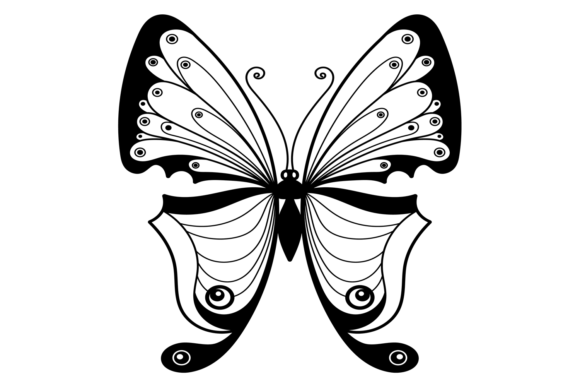
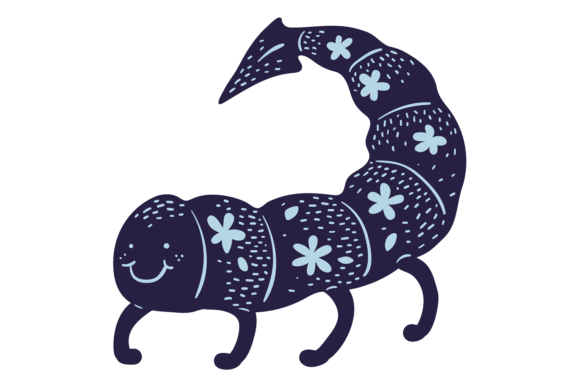
There are thousands of typefaces available to designers today, but few manage to capture the whimsy and storytelling quality of Decorative Fly. Flying Insect with Folk. This isn't just another display font; it is a visual narrative tool. At its core, this typeface takes the structural framework of a modern serif or sans serif but wraps it in the aesthetic of vintage folk art. The defining feature of this design is the intricate detailing found on the strokes, which mimics the delicate, veined patterns found on insect wings. It creates a look that is organic, nostalgic, and undeniably artistic.
When you look at the letterforms, you aren't just seeing characters; you are seeing texture. The personality of Decorative Fly strikes a balance between rustic charm and polished sophistication. It avoids looking "messy" despite its complex details, maintaining a rhythm that allows words to be read clearly. This makes it a unique asset for anyone looking to step away from the sterile, geometric fonts that dominate the current digital landscape. It brings warmth and a handmade feel that resonates with audiences craving authenticity.
The Visual Appeal: Texture Meets Typography
The strength of Decorative Fly. Flying Insect with Folk lies in its ability to act as a design element in itself. In the world of typography, we often talk about "color"—the density of text on a page. This font provides a rich, dark color without needing heavy bold weights because of the intricate linework within the strokes. It functions exceptionally well as a creative font for projects where the typography needs to carry the visual weight of the design rather than relying on heavy imagery.
From a stylistic perspective, the font draws heavily on the tradition of folk pattern illustration. This gives it a distinct advantage in editorial design and packaging design. Imagine a craft coffee bag or a boutique hotel brochure; the ornate nature of the font suggests a premium product with attention to detail. It signals to the viewer that care has been taken in the creation of the brand. However, because of its detailed nature, it is strictly a display font. Using it for long paragraphs of body text would cause visual fatigue. It is designed for impact, not for extended reading.
Strategic Applications for Brands and Creators
For designers and entrepreneurs, choosing a typeface is a strategic decision that influences brand identity. Decorative Fly positions a brand as creative, approachable, and perhaps a bit vintage or artisanal. It works beautifully for businesses in the lifestyle sector, including florists, organic skincare brands, independent bookstores, and artisan bakeries.
Here is how different professionals can leverage this asset:
- Logo Design: Because the letterforms are so distinct, Decorative Fly can serve as the primary logomark. It offers instant recognition and stands out against competitors using standard geometric sans serifs.
- Web Design: While you shouldn't use it for navigation menus, it is perfect for hero sections and H1 headers. It captures attention immediately when a user lands on a page.
- Social Media Graphics: In a fast-scrolling environment, this font stops the thumb. It is excellent for quote graphics, sale announcements, and story headers where high contrast and visual interest are required.
- Wedding Stationery: The folk-art aesthetic fits perfectly with "boho," rustic, or garden-themed events, offering a premium font alternative to standard script font options.
Pairing and Practical Implementation
One of the most common challenges with highly decorative fonts is finding the right partner for body text. Font pairing is about contrast and harmony. Since Decorative Fly is ornate and textured, your supporting typeface should be clean and legible.
I recommend pairing it with a clean sans serif font or a simple, readable serif font. You want the body text to recede and let the headings do the talking. Avoid pairing it with a script font or another handwritten font, as this will create too much visual noise and confusion. A high-quality sans serif with a tall x-height will ground the design and ensure your message is understood.
When implementing this font, pay close attention to spacing. Decorative typefaces often require manual kerning adjustments, especially at larger sizes where the details are visible. Ensure there is enough "air" between the letters so the intricate patterns don't bleed into one another. Also, consider the color contrast; because the font has high texture, it renders best in high-contrast scenarios, such as black text on a white background or a solid color on a cream background. Avoid placing it over busy photographs unless you apply a solid color overlay behind the text to maintain legibility.
Licensing and Commercial Use
For small business owners and content creators, understanding the licensing of design assets is crucial. Decorative Fly. Flying Insect with Folk is a commercial font, meaning it is intended for professional use. Before purchasing or downloading, always verify the scope of the license.
Check if the license covers:
- Digital Products: Can you use it in templates you sell on Etsy or Creative Market?
- Print on Demand: Is the font embedded in physical goods like t-shirts or mugs?
- Webfont Files: Does the package include .WOFF or .WOFF2 files for your website?
Investing in a premium font like this ensures that your business looks professional and avoids legal issues associated with pirated fonts. It also supports the type designers who create these intricate works of art.
Final Thoughts on Modern Typography Trends
We are currently seeing a shift in modern typography toward more expressive and personality-driven styles. The era of "blanding"—where every logo used the same neutral sans serif—is fading. Consumers want personality. Decorative Fly fits perfectly into this movement. It offers a way to be expressive without being chaotic.
Whether you are designing a book cover, creating a brand identity for a local farm, or crafting a social media campaign, this font provides a tool that bridges the gap between digital precision and artistic imperfection. It reminds us that typography can be art. By using Decorative Fly thoughtfully, you can elevate your project from simply informative to truly memorable, creating a connection with your audience that standard fonts simply cannot achieve.