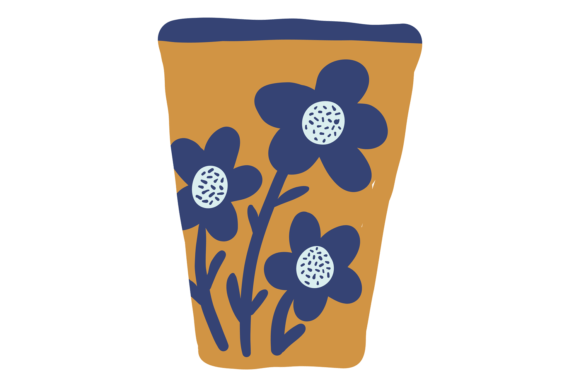
Charming Rustic Appeal: The Decorative Ornament Mug Style
There is a specific warmth that comes with holding a ceramic mug that feels handmade, one that carries the imperfections of clay and the memory of a cozy kitchen. The Decorative Ornament Mug typeface captures this exact sentiment in vector form. It is a premium font designed to evoke the tactile comfort of a cute rustic cup, bringing a grounded, artisanal quality to modern digital and print projects. For designers and brand strategists, this is more than just a collection of glyphs; it is a tool for storytelling that bridges the gap between traditional craftsmanship and contemporary modern typography.
When you analyze the visual characteristics of this typeface, you notice that it avoids the sharp, clinical edges of geometric sans-serifs. Instead, it embraces soft, organic curves that mimic the rim of a ceramic vessel. The weight of the letters suggests durability, much like stoneware, while the subtle quirks in the kerning and letterforms give it a distinct personality. It feels approachable and unpretentious. This style works exceptionally well for projects that need to communicate authenticity. If you are working on packaging design for artisanal goods, such as coffee roasters, organic teas, or homemade soaps, this font grounds the product in a reality that feels genuine. It tells the customer that care went into the creation of the item they are holding.
Visual Personality and Brand Strategy
Understanding the personality of the Decorative Ornament Mug is crucial for effective brand identity. This is not a font for a fast-paced tech startup or a high-fashion runway show. Its DNA is rooted in comfort, nostalgia, and slow living. For small business owners and entrepreneurs, using this style in a logo design can instantly signal that your brand values quality over speed. It creates an emotional connection with the audience before they even read the copy. The visual hierarchy it establishes is warm and inviting; it draws the eye in without shouting for attention.
In the realm of editorial design, particularly for lifestyle magazines, cookbooks, or DIY blogs, this font serves as a perfect accent. It works beautifully for pull quotes, chapter titles, or subheadings where you want to inject a bit of character. However, it is important to balance this strong personality with a cleaner counterpart. A common mistake in design assets is pairing a highly stylized font with another equally decorative one. To maintain professionalism, consider a font pairing strategy that combines the rustic charm of the ornament style with a clean sans serif font. The simplicity of the sans-serif will provide the necessary breathing room, allowing the decorative elements to shine without overwhelming the layout.
Practical Applications Across Media
The versatility of the cute rustic cup aesthetic extends far beyond traditional print. In web design, this creative font can be used for hero banners or call-to-action buttons on e-commerce sites selling vintage goods or home decor. It translates the physical sensation of a cozy object into a digital experience. For social media graphics, where the competition for attention is fierce, the unique silhouette of this font helps content stand out in a crowded feed. It is particularly effective for Instagram posts or Pinterest pins related to home renovation, baking, or holiday crafts.
For content creators and bloggers, the Decorative Ornament Mug offers a way to build a consistent visual language. If your content focuses on lifestyle, interiors, or gardening, this font becomes a signature element of your brand. It ensures that your audience recognizes your content immediately, even before reading the caption. This consistency is vital for building recognition and trust. Furthermore, as a display font, it commands attention at larger scales. Think about tote bags, merchandise, or even signage for a local farmer's market booth. The commercial font licensing typically covers these physical applications, allowing you to extend your brand identity into the real world.
Technical Considerations and Readability
While the aesthetic appeal is strong, practical application requires a focus on readability. As a display font, the Decorative Ornament Mug is optimized for headlines and short bursts of text. Attempting to use it for long-form body copy would likely result in eye strain for the reader. The intricate details that give it its charm can become noise when reduced to small sizes for paragraphs. Therefore, it is essential to pair it with a highly legible serif font or sans serif font for the main body text.
When evaluating the fit for your project, test the font across different mediums. How does it render on a mobile screen versus a printed brochure? The texture of the font—often mimicking a brush stroke or a hand-drawn line—needs to be preserved in the rendering process. Ensure that the file format you are using supports the necessary resolution. For digital use, vector formats like EPS or SVG are ideal as they scale without losing quality. For print, high-resolution JPGs or PDFs are standard.
Evaluating the Asset for Your Needs
Before integrating the Decorative Ornament Mug into your workflow, consider the specific styles included in the package. Many premium fonts come with alternates, ligatures, and swashes that can add even more customization to your designs. These extra characters allow you to fine-tune the look of your headlines, ensuring that the letter connections flow naturally, much like handwriting. Take the time to explore these OpenType features; they are often the difference between a generic layout and a polished, professional design.
Ultimately, this font is a design asset that bridges the gap between the digital and the physical. It carries the weight of a cute rustic cup—solid, comforting, and familiar—while offering the flexibility of digital typography. Whether you are a crafter designing labels for a local fair, a marketer building a campaign for a coffee brand, or a publisher laying out a cookbook, this typeface provides the visual language needed to connect with an audience that values authenticity. It is a reminder that in a world of sleek, minimal design, there is still a profound power in the rustic, the handmade, and the decorative.